
the future of skin renewal
Exosomes are tiny natural messengers that help skin cells “talk” to each other, boosting the body’s own ability to repair, refresh, and protect itself. They encourage smoother texture, improved hydration, and a healthy, radiant glow by supporting the skin’s natural renewal process.
Known for their power to restore balance and vitality, exosomes are becoming one of the most exciting new ways to keep skin looking youthful, fresh, and resilient against everyday stress.
What are Exosomes?
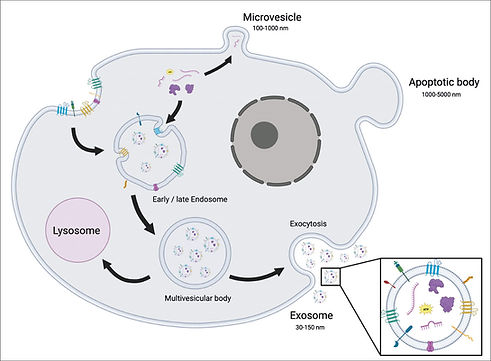
Exosomes are tiny particles naturally released by cells that act as carriers of information. They contain proteins, lipids, and genetic material, which allow them to transfer signals from one cell to another. This communication process plays a vital role in how cells coordinate repair, renewal, and overall function.
Unlike larger structures in the body, exosomes are extremely small (measured in nanometres), which allows them to move easily between cells and tissues. Their ability to deliver important biological messages makes them an exciting area of research in skin science and regenerative technologies.
By supporting natural communication within the body, exosomes help maintain balance, resilience, and vitality at a cellular level.


The cellular response
Exosomes act as natural messengers, carrying important signals between cells to help them function more effectively. By delivering proteins, lipids, and genetic material, they encourage skin cells to communicate and coordinate renewal processes. This boost in cellular activity supports repair, balance, and overall vitality in the skin.
Through this communication, exosomes can enhance hydration, improve texture, and strengthen resilience against everyday stress. By working in harmony with the body’s natural systems, they foster healthier skin and promote a refreshed, radiant appearance.
How do Exosomes work?
Exosomes work by enhancing communication between cells, helping them to stay active for longer and function more efficiently. By carrying growth factors, proteins, and genetic material, they support the skin’s natural ability to repair, refresh, and protect itself.
They can also be used in combination with other treatments to create complementary results, as their role is to strengthen and optimise the skin’s underlying processes. Long before their use in aesthetics, exosomes have been studied across scientific fields for their role in cell-to-cell communication and regeneration.
Research and publications continue to highlight their potential, with many professionals recognising the benefits of exosomes in delivering noticeable improvements that were previously harder to achieve. This makes them a valuable addition for supporting healthier, more resilient skin across a variety of treatment approaches.

